
Updated:
Concrete staining can turn a plain slab into a rich, durable surface—but only if the prep and product choices are right. The most common mistakes—assuming any concrete can be stained, choosing the wrong stain type, skipping surface preparation, ignoring the slab's age, overlooking the sealer, and accepting a vague quote—lead to uneven color, peeling, or a finish that looks nothing like the sample. Each mistake is preventable with a few targeted questions and a clear scope of work. Here is what to check before you book a contractor.
What Concrete Staining Actually Includes
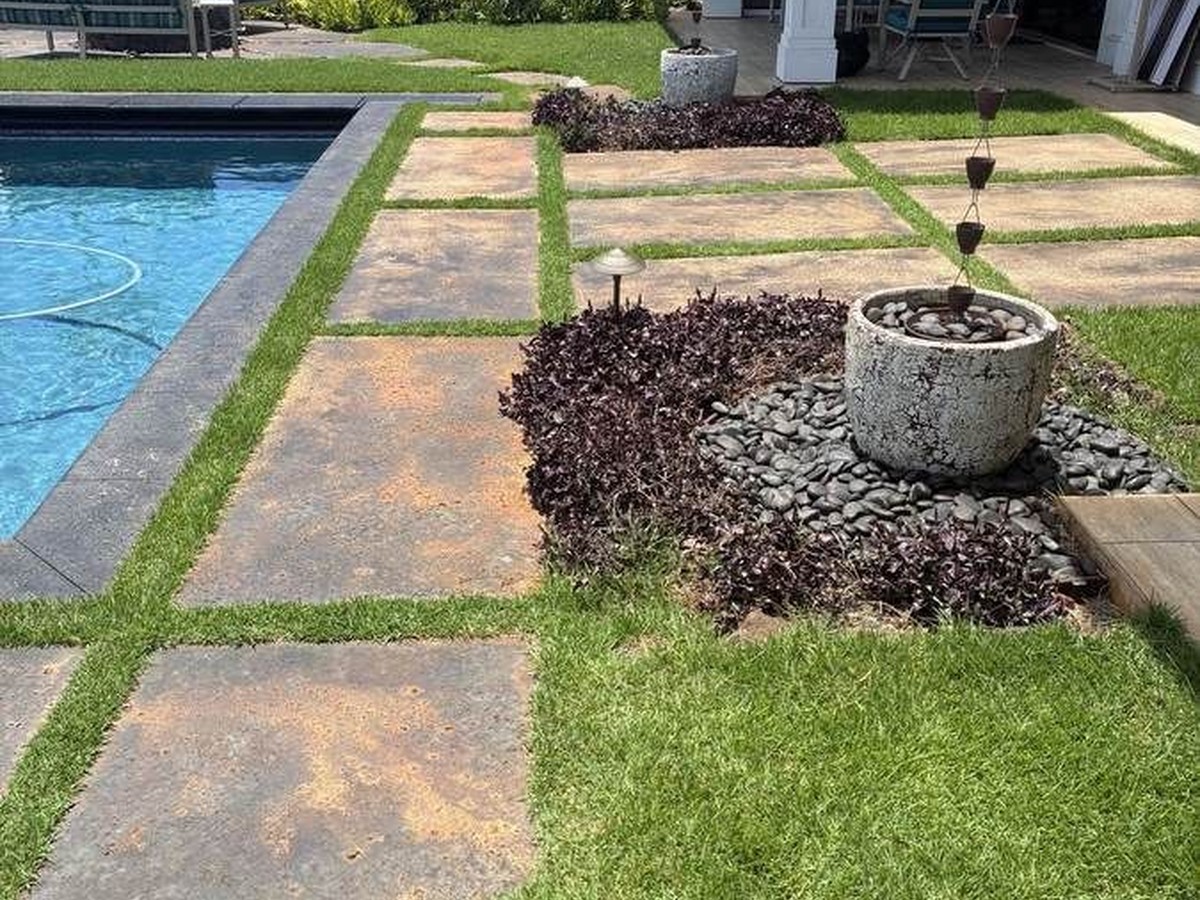
Concrete staining is the process of applying a chemical or water-based colorant to cured concrete to change its appearance. Unlike paint, which sits on the surface, stains penetrate the concrete and react with its minerals to create permanent, variegated color. The result can mimic natural stone, leather, or polished marble, depending on the stain and application technique.
There are two main types of stain:
- Acid-based stains react chemically with the concrete's lime content. They produce earthy, mottled tones like browns, tans, and soft greens. The final color is unpredictable and varies from slab to slab.
- Water-based stains are non-reactive pigments that soak into the surface. They offer a wider, more consistent color palette, including blues, grays, and bright accents.
Both types require a clean, porous surface to bond correctly. That means the contractor must remove any existing coatings, dirt, oil, or curing compounds before staining. If the slab has been sealed previously, the sealer must be stripped or the stain will not penetrate.
Why Surface Preparation Determines the Result
Staining is not a coating you can apply over a dirty floor. The stain must reach the concrete's pores, so the surface has to be clean and open. In Hanalei, salt air and red dirt can leave a film that blocks penetration. A proper prep process includes:
- Cleaning with a degreaser or TSP substitute to remove oils and grime.
- Etching or grinding if the slab is too smooth or has a previous sealer.
- Repairing cracks and spalls so the stain doesn't highlight defects.
- Testing a small area to confirm the stain reacts as expected.
Ask the contractor exactly what prep steps are included in the quote. A low price that skips grinding or crack repair will produce a blotchy, short-lived finish.
What to Confirm About the Stain and Sealer
Not every stain works on every slab. Acid stains need a concrete with enough free lime to react; older or heavily weathered concrete may not produce the expected color. Water-based stains are more forgiving but still require a clean, absorbent surface.
After staining, the floor must be sealed to protect the color and make it cleanable. Sealers come in solvent-based and water-based formulas, with different levels of gloss and durability. In a coastal environment like Hanalei, a high-quality sealer is essential to resist salt and moisture. Confirm:
- Which stain brand and color will be used, and whether a sample can be tested on your slab.
- How many coats of sealer are included, and what type (acrylic, epoxy, urethane).
- Whether the sealer is rated for exterior use if the concrete is outdoors.
- What maintenance the sealer will need and how often it should be reapplied.
Who Offers Window Cleaning Service in Hanalei, and What Should I Compare Before Choosing?
While this article focuses on concrete staining, many Hanalei property owners also need window cleaning. Kamaliʻi Window Cleaning offers window cleaning as part of its exterior cleaning services, according to its website. When comparing window cleaning providers, ask about:
- Scope of work: Does the quote include interior and exterior glass, screens, tracks, and frames?
- Water quality: Do they use pure water or filtered water to avoid hard water spots?
- Safety practices: Are technicians trained for multi-story work and ladder safety?
- Coastal experience: Do they understand salt film removal and mineral buildup common in Hanalei?
For concrete staining, the same principle applies: compare scope, not just price. A detailed written quote should list every step from prep to sealing.
Questions to Ask Before Booking Concrete Staining
Use this checklist to compare contractors on the details that matter:
- ☐ Will you test the stain on my concrete before starting the full job?
- ☐ What surface preparation is included—cleaning, grinding, crack repair?
- ☐ Which stain type do you recommend for my slab, and why?
- ☐ How many coats of sealer are included, and what type?
- ☐ Is the sealer suitable for exterior use in a salt-air environment?
- ☐ What is the expected drying time before I can walk on or use the surface?
- ☐ What maintenance will the stained and sealed floor require?
- ☐ Can you provide a written scope of work with all materials and steps itemized?
Practical Implications for Hanalei Properties
Hanalei's coastal climate adds two challenges for concrete staining: salt and moisture. Salt can etch unsealed concrete and cause sealer failure if not addressed. Moisture from rain and humidity can interfere with stain application and curing. A contractor familiar with Kauaʻi conditions will schedule work during dry periods and use sealers designed for high humidity.
If your concrete is outdoors—a lanai, pool deck, or driveway—ask specifically about slip resistance. Some sealers become slick when wet. A reputable contractor can add a non-slip additive to the final coat.
Prioritized Next Steps
- Get a written scope of work. Ask each contractor to itemize prep, stain, sealer, and cleanup. Compare the same line items.
- Request a test patch. A small stained area on your actual slab will show the true color and reaction before you commit.
- Verify coastal experience. Ask how they handle salt residue and moisture during application and curing.
- Check references or past projects. Look for photos of completed staining jobs on similar concrete in the Hanalei area.
- Confirm warranty terms. Ask what is covered if the stain or sealer fails within the first year.
For more on avoiding common mistakes, see Concrete Staining Mistakes to Avoid Before Booking. If you also need window cleaning, Kamaliʻi Window Cleaning's services page lists window cleaning and exterior cleaning options.
Frequently Asked Questions
Can any concrete be stained?
Not every slab is a good candidate. Concrete must be clean, porous, and free of previous sealers or coatings. Acid stains require sufficient lime content to react; older or heavily weathered concrete may not produce the expected color. A test patch is the only way to know for sure.
How long does concrete staining take?
The timeline depends on the size of the area, the number of stain coats, and drying conditions. In Hanalei's humid climate, contractors often schedule extra drying time between steps. Ask for a written schedule that includes prep, staining, sealing, and curing before you book.
Is concrete staining permanent?
The stain itself penetrates the concrete and is permanent, but the protective sealer wears over time and must be reapplied. In coastal environments, salt and moisture can shorten sealer life. Ask how often the sealer should be reapplied and what maintenance is required.