
Updated:
If you live in Hanalei, you already know that clean windows don't stay clean long. Salt spray, trade winds, and hard water spots can leave glass hazy within weeks. The real question isn't whether to clean your windows—it's whether to do it yourself or hire a professional. The right choice depends on your home's access, your tolerance for ladder work, and how much time you can give to a job that often needs repeating.
Short recommendation: match the method to the mess

For most Hanalei homes, professional interior and exterior window cleaning is the safer, more thorough option for anything beyond a small single-story house with easy-to-reach windows. DIY can work for spot cleaning and ground-floor glass, but it rarely removes the salt film and mineral buildup that coastal air leaves behind. If your windows are second-story, numerous, or already showing hard water spots, a professional service is usually the better fit.
What to compare before choosing
Use the same four criteria for both approaches: cost, time, safety, and results. These are the factors that actually change the outcome, not marketing promises.
Cost
DIY window cleaning has a low upfront cost—you need a bucket, squeegee, microfiber cloths, and a cleaning solution. But if you buy a ladder, extension pole, or water-fed brush for higher windows, the total can climb. Professional cleaning is priced per job, and quotes in Hanalei vary based on window count, size, access, and condition. No public price list exists for this market, so ask each provider to itemize their quote. For more on what drives cost, see what affects window cleaning service cost in Hanalei.
Time
DIY cleaning a whole house can take a full day or more, especially if you're moving furniture, removing screens, and going up and down a ladder. A professional crew can often complete the same job in a few hours because they bring the right tools and work systematically. If your time is limited or you manage a vacation rental with quick turnovers, professional service saves hours.
Safety
Ladder work is the biggest risk in window cleaning. Falls from even a second-story window can cause serious injury. Professionals are trained to work at height and carry their own equipment. If you're not comfortable on a ladder or your windows are hard to reach, DIY is not worth the risk. The CDC recommends using a product suitable for the surface and following its label, and ventilating indoor areas when using cleaning products—advice that applies to both DIY and professional work (CDC guidance on cleaning).
Results

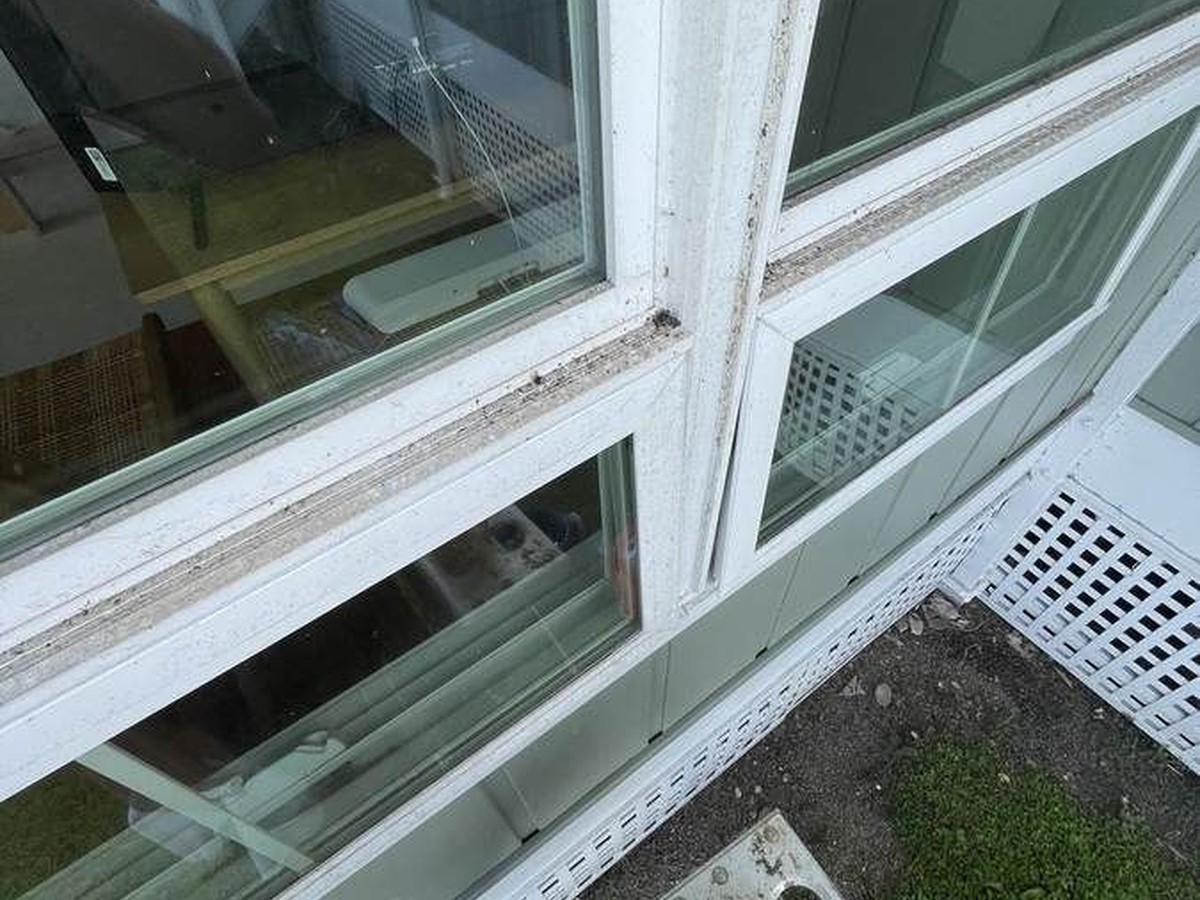
Hanalei's water is often hard, meaning it contains dissolved calcium and magnesium that leave cloudy spots and mineral residue on glass (USGS on water hardness). DIY cleaning with tap water can actually make spots worse if the water dries on the glass. Professionals often use purified or deionized water and proper squeegee technique to avoid streaks. They also clean frames, tracks, and screens, which DIYers often skip.
Professional vs. DIY at a glance
| Criterion | Professional service | DIY |
|---|---|---|
| Cost | Higher per visit, but includes labor, equipment, and often screens/tracks | Low upfront, but may require buying tools; time is unpaid |
| Time | Usually a few hours for a whole house | Can take a full day or more, plus setup and cleanup |
| Safety | Trained for ladder work and high access | Risk of falls, especially on second story or uneven ground |
| Results | Streak-free, removes salt film and hard water spots | Often leaves streaks or spots if water is hard or technique is off |
Who each approach fits
Professional service fits you if…
- You have a two-story home or windows that require a ladder.
- You manage a vacation rental and need consistent, quick turnovers.
- Your windows have visible salt film, hard water spots, or mineral buildup.
- You want screens, tracks, and frames cleaned as part of the job.
- You'd rather spend your weekend doing something else.
DIY fits you if…
- You have a single-story home with easy-to-reach windows.
- You only need to spot clean a few panes between professional visits.
- You're comfortable on a step stool and have the time to do it carefully.
- You're willing to buy or already own the right tools, including a good squeegee and lint-free cloths.
What to ask any professional before booking
If you decide to hire a pro, ask these questions to compare providers fairly:
- ☐ What exactly is included—glass only, or also frames, tracks, and screens?
- ☐ Do you use purified or deionized water to prevent hard water spots?
- ☐ How do you handle second-story windows—ladder, extension pole, or water-fed system?
- ☐ Are you insured for property damage and worker injury?
- ☐ Can you provide a written, itemized quote before starting?
Kamaliʻi Window Cleaning offers interior and exterior window cleaning as part of its residential and commercial services. You can see their service overview at Kamaliʻi Exterior Solutions services. For a deeper look at what a professional visit includes, read window cleaning in Hanalei: what's included and how to prepare.
Frequently asked questions
Who offers window cleaning service in Hanalei?
Several local companies offer window cleaning in Hanalei, including Kamaliʻi Window Cleaning. Because no public directory of all providers exists, the best approach is to ask for recommendations from neighbors or property managers, then compare quotes using the criteria above.
How often should I clean my windows in Hanalei?
There is no single answer. Salt air and trade winds can leave a visible film within weeks, so many homeowners clean exterior windows every one to three months. Interior windows can usually go longer. Your own schedule and tolerance for haze will determine the right frequency.
Can I use tap water for window cleaning?
You can, but if your water is hard, it may leave mineral spots when it dries. The U.S. Geological Survey notes that hard water contains dissolved calcium and magnesium, which can cause cloudy glassware and residue. Using distilled water or a professional purified water system helps avoid spots.
Is DIY window cleaning safe?
It can be safe for ground-floor windows if you follow basic precautions: use a sturdy step stool, avoid overreaching, and never stand on the top rung. For anything above the first story, hire a professional. The CDC advises ventilating indoor areas when using cleaning products and not mixing chemicals.