
Updated:
Soft washing is a low-pressure cleaning method that uses specialized solutions to remove organic growth like mold, mildew, and algae from delicate exterior surfaces. It is often the safer choice for roofs, painted siding, stucco, and other materials that high-pressure washing can damage. But soft washing is not right for every surface or every property. This article compares soft washing with pressure washing and DIY approaches, explains the tradeoffs, and gives you a checklist to decide what fits your Hanalei home or business.
What Is Soft Washing and When Does It Make Sense?
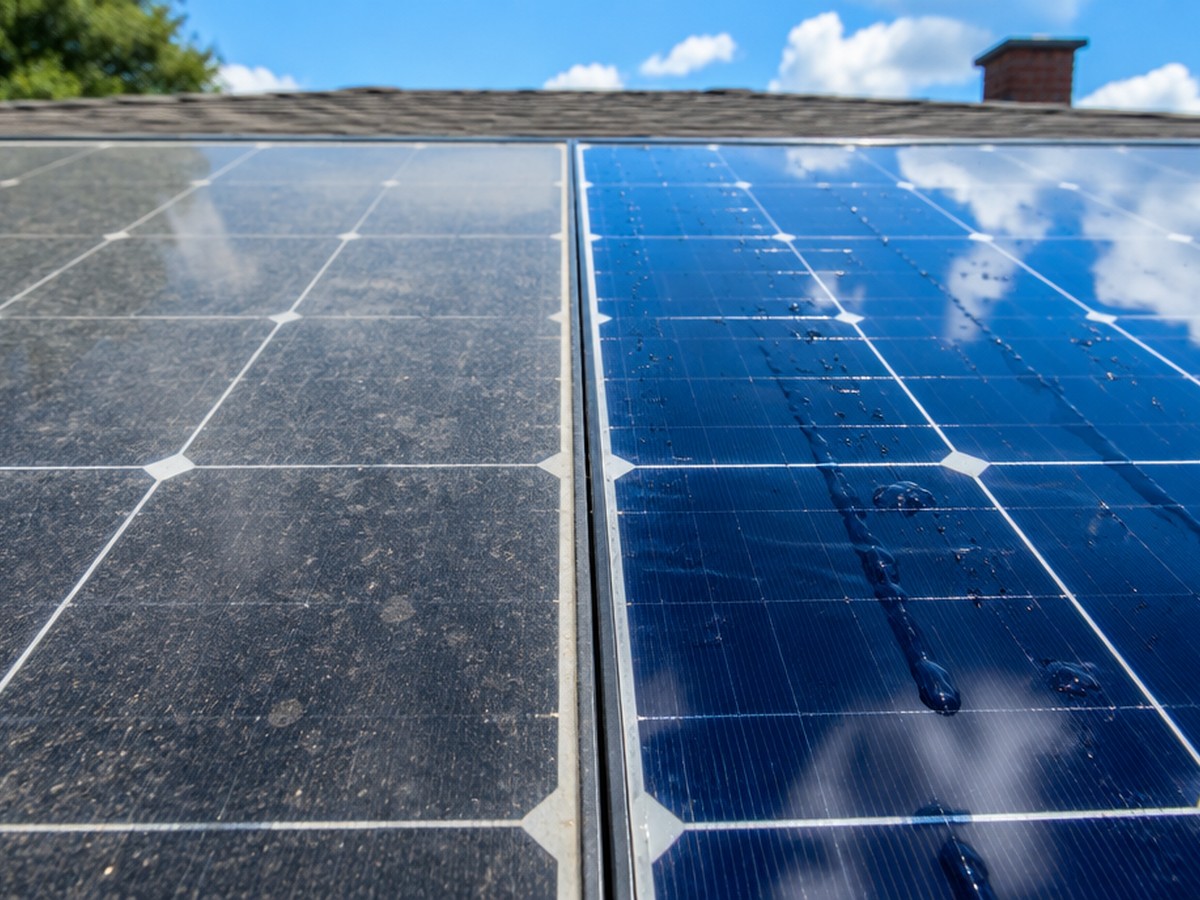
Soft washing combines low-pressure water (typically under 500 PSI) with cleaning solutions that break down organic matter. The solution does most of the work, so the surface is not blasted with force. This makes soft washing a good fit for:
- Roofs with asphalt shingles, tile, or metal that can be lifted or dented by high pressure
- Painted wood or stucco siding that can chip or etch under pressure
- Vinyl siding that can warp or crack
- Surfaces with heavy moss, algae, or mildew that need chemical treatment
However, soft washing is not ideal for every job. It may not remove thick mud, loose paint, or heavy mineral deposits as effectively as pressure washing. And because it uses cleaning solutions, you need to consider runoff and plant protection.
Soft Washing vs. Pressure Washing: Key Tradeoffs
Pressure washing uses high-pressure water (often 1,500–3,000 PSI) to blast away dirt, grime, and loose paint. It is excellent for hard surfaces like concrete driveways, brick, and stone. But on softer materials, high pressure can cause damage. Here is a comparison:
| Criteria | Soft Washing | Pressure Washing |
|---|---|---|
| Best for | Roofs, painted siding, stucco, vinyl, organic growth | Concrete, brick, stone, heavy dirt, paint prep |
| Pressure level | Low (under 500 PSI) | High (1,500–3,000 PSI) |
| Cleaning agents | Yes, biodegradable solutions | Usually water only, sometimes detergent |
| Risk of surface damage | Low | Higher on delicate surfaces |
| Effectiveness on moss/algae | High (kills roots) | Moderate (may remove but not kill) |
| Runoff concerns | Chemical runoff needs management | Water runoff, may contain contaminants |
For Hanalei properties, salt air and humidity encourage mold and algae growth on shaded sides of buildings. Soft washing can be a smart choice for those areas, but you should still ask about the cleaning solutions used and how they protect surrounding plants.
DIY Soft Washing: Is It Worth the Risk?
You can buy soft washing chemicals and a low-pressure sprayer, but DIY soft washing has significant tradeoffs:
- Chemical handling: Many soft wash solutions contain bleach or other chemicals that require careful mixing and protective gear.
- Surface knowledge: Using the wrong concentration or dwell time can damage paint or kill plants.
- Access and safety: Roof work and ladder use are risky without proper equipment and training.
- Results: Professional soft washing often includes post-treatment rinsing and neutralization that DIYers skip.
If you have a small, ground-level area with light mildew, DIY might be manageable. But for roofs, second stories, or large areas, hiring a professional is usually safer and more effective.
Who Offers Soft Washing in Hanalei?
Kamaliʻi Window Cleaning offers exterior cleaning and restoration services, including pressure washing and soft washing. According to their website, they provide "calibrated soft-wash and high-performance pressure washing for driveways, lanais, pool decks, roofs, and siding." This means they can match the method to the surface, which is exactly what you should look for in a provider.
When comparing soft washing providers in Hanalei, ask these questions:
- What cleaning solutions do you use, and are they safe for my plants and pets?
- How do you protect surrounding vegetation and runoff?
- Do you adjust pressure and chemicals based on the surface material?
- What is included in the quote—pre-treatment, post-rinse, and any sealing?
- Are you insured and experienced with roofs and delicate surfaces?
You can learn more about their services on the Kamaliʻi Exterior Solutions services page.
How to Decide: A Selection Checklist
Use this checklist to compare soft washing options for your property:
- ☐ Identify the surfaces you need cleaned and their material (roof, siding, concrete, etc.).
- ☐ Determine if the main problem is organic growth (mold, algae) or heavy dirt/mineral deposits.
- ☐ For organic growth on delicate surfaces, soft washing is likely the better choice.
- ☐ For hard surfaces with heavy grime, pressure washing may be more effective.
- ☐ Ask each provider about their cleaning solutions, pressure levels, and surface-specific approach.
- ☐ Verify insurance and experience with your type of property.
- ☐ Get a written quote that details the scope, chemicals, and any plant protection measures.
- ☐ Check if the provider offers a warranty or guarantee on their work.
By comparing these factors, you can choose the method and provider that best fits your Hanalei property without risking damage.
Frequently Asked Questions
Is soft washing safe for all roofs?
Soft washing is generally safe for most roof types, but the cleaning solution must be appropriate for the material. Always ask the provider about their experience with your specific roof type.
How often should I soft wash my Hanalei home?
In coastal areas like Hanalei, organic growth can appear within months. Many homeowners schedule soft washing annually or as needed when they see mold or algae.
Can soft washing damage my plants?
If not done carefully, the cleaning solution can harm vegetation. Professional soft washers should pre-wet plants and cover them if necessary. Ask about their plant protection protocol.